The movie
Show notes
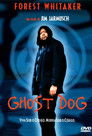
Welcome back to Bad Dads Film Review! Today, we’re slicing through cinema and animation with a focus on legendary blades. We'll kick off with our top 5 iconic swords in film and television, explore the philosophical depths of Ghost Dog: The Way of the Samurai, and then jump into the animated adventures of Samurai Jack. Top 5 Iconic Swords in Film and Television: Excalibur from "Excalibur" (1981) - The legendary sword of King Arthur, symbolizing true power and right to rule, is one of the most iconic blades in cinematic history, rich in myth and magic. The Bride's Hattori Hanzo Sword in "Kill Bill" - Crafted by the legendary swordsmith Hattori Hanzo, this sword is central to Uma Thurman's quest for vengeance in Quentin Tarantino's stylized action saga. Sting from "The Lord of the Rings" and "The Hobbit" - Frodo's and Bilbo’s elven-made blade that glows blue in the presence of orcs, combining utility with elven elegance. Lightsabers from "Star Wars" - Though technically energy weapons, lightsabers function as swords with their distinct hum and combat style, becoming cultural icons synonymous with space opera heroics. Longclaw from "Game of Thrones" - Jon Snow’s Valyrian steel sword, bestowed upon him by Lord Commander Mormont, symbolizes his growth from a bastard son to a leader and protector. Ghost Dog: The Way of the Samurai, directed by Jim Jarmusch and starring Forest Whitaker, is a unique blend of American gangster cinema and the samurai tradition. The film follows Ghost Dog, a hitman who lives by the ancient code of the samurai as outlined in the book "Hagakure." The movie explores themes of loyalty, honor, and the clash between old-world values and modern realities. It’s a thoughtful, meditative approach to the crime genre that uses the way of the samurai to delve into existential questions. Samurai Jack, created by Genndy Tartakovsky, is an animated series that follows a samurai prince who wields a magical sword in his relentless quest to defeat the shape-shif
More episodes about Ghost Dog: The Way of the Samurai