
The movie
Show notes
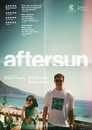
An 11-year-old girl spends vacation with her divorced dad, in a film about memory and love from Scottish director Charlotte Wells. The painful struggles between parents and children are often a subject of drama, and no surprise, given the plentiful examples of this theme in human experience. What is rare and more difficult is the depiction of a strong emotional bond between a kid and a parent, and in the case of children, a love for one’s mother and father that goes beyond words, a kind of environment in the child’s mind that permeates life and leaves a lasting effect on the memory. Too often the artist, in a play or film, settles for a forced sense of sweetness, a sentimental, albeit often humorous, perspective on the young experience and point of view. Aftersun , the debut feature from Scottish writer and director Charlotte Wells, is that “one in a thousand” film that captures the essence of a fleeting time with devastating intensity and truth. Sophie is an 11-year-old girl on a summer holiday with her divorced dad at a less than luxurious seaside resort in Turkey. To sum up the plot, the story of what happens, is pretty much exactly what I just said. There is really no story in the usual sense—the big events happen within the characters, and especially within Sophie, played by a luminous young newcomer named Frankie Corio. The film is more like a poem, and a very beautiful one. The one-word title Aftersun , sounds enigmatic like a poem—in fact, it’s a lotion that’s applied to cool off the skin after exposure to the sun. But even this mundane detail can double as metaphor. Sophie loves her father Calum, played by Paul Mescal, and we soon realize that he’s quite remarkable in his way, a man in his 30’s who listens with steady attention to Sophie and treats her with tenderness and consideration. But of course we the audience can also see that he’s an ordinary man with flaws, and with a life largely unknown to her, who lives near London with her mother the rest of th
More episodes about Aftersun