
The movie
Show notes
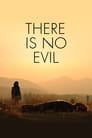
An Iranian film tells four stories courageously exposing the effects of pervasive state violence on ordinary people. There Is No Evil , a film by Iranian writer and director Mohammad Rasoulof, consists of four separate stories, and if you come to the movie cold, it might be difficult to discover a connecting theme between them. In the first story, we watch an ordinary looking middle-aged man drive his car out of a big parking garage, and then go about his day, dropping his daughter off at school, shopping, picking up his wife, going to the bank, visiting his mother-in-law, and eventually going home to an early bedtime so he gets enough sleep to do the night shift again. The style, patient and leisurely paced, closely observes a lot of everyday detail about life in an Iranian city. Then, at the very end of the story, we’re given a shock. There are some movies that it’s hard to say much of anything about, because, well, reviews aren’t supposed to have “spoilers.” In this case, however, most people outside of Iran will struggle with understanding the film without some background. This I need to mention: the fact that the background explains the theme is too bad—but to make up for that, I won’t reveal the particular ways that the theme occurs as action. The background is that the government of Iran, after the 1979 revolution, executed many thousands of dissidents, leftists, secularists, and anyone else deemed an enemy of the Islamic Republic. This continued through the 1990s, when writers and intellectuals were targeted for elimination. Furthermore, the government would order other prisoners, soldiers, even family members, to participate in these executions, by kicking the stool away from people to be hanged. The four stories in There is No Evil each concern people who, at some time or another, in some form, were ordered to carry out executions. The wildly intense second story is about an inmate in a soldier’s prison who is told that if he executes a prisoner, his sente
More episodes about There Is No Evil